
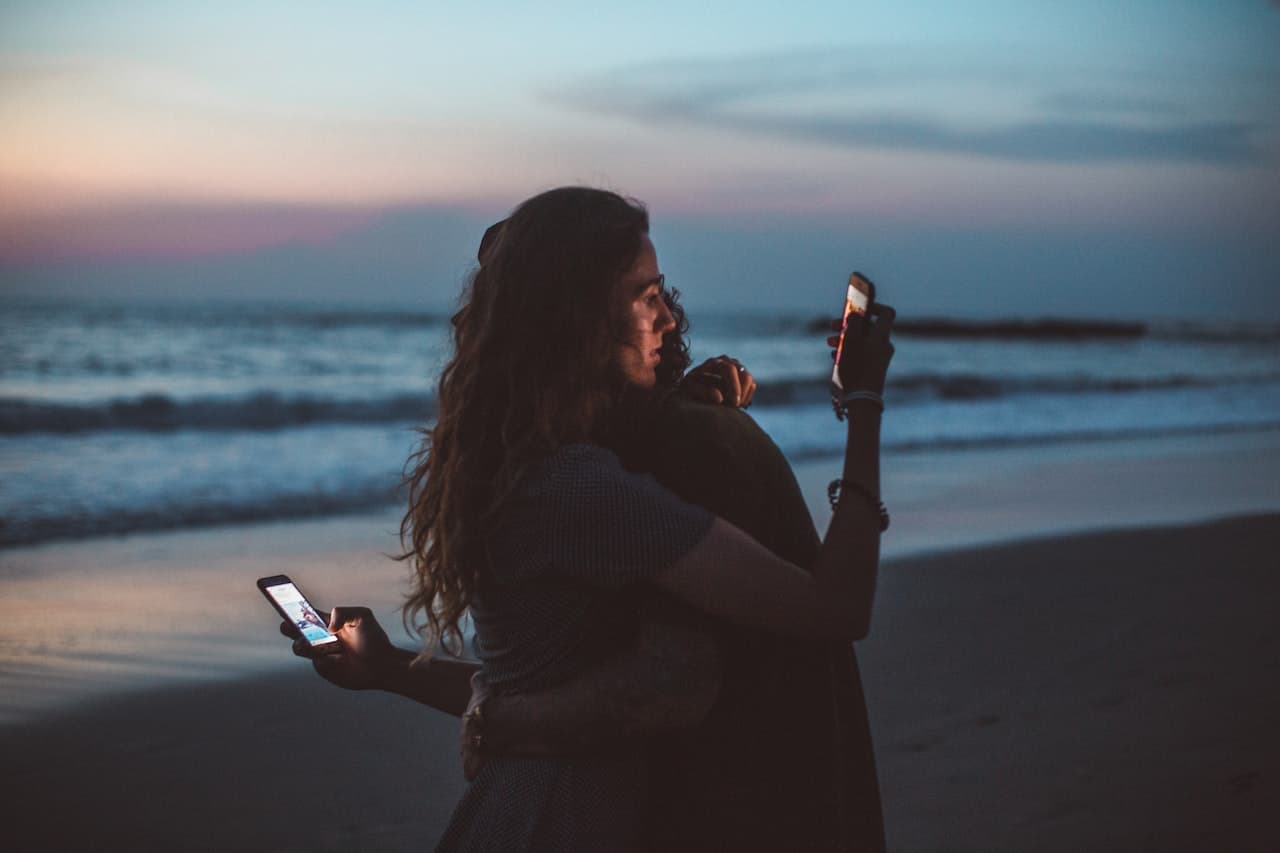
The world has entered the cyber age, where almost everything is done online. This is very beneficial as it is convenient for everyone to live life over the internet. Yet, there is also a growing concern as it progresses. Studies are uncovering the dark side of the overuse of social networking sites. Let us see why social media is toxic, according to researchers, and how to avoid being addicted to it.
And when your done check out our other YouTube guides:
- Why Is Social Media Bad for Kids?
- How Has Social Media Impacted Society?
- How to Become a Social Media Manager?
- How to Become a Social Media Influencer?
What Is Social Media Addiction?

An addiction is defined as a dependency on the use of a substance or a behavioral disorder. Hence, a person with social media addiction is psychologically dependent on the use of social networking sites. The person experiences difficulty abstaining from being online, which might be causing them harm – physiological, emotional, and even physical.
Let’s take a closer look at the early signs and symptoms of social media addiction.
- Being on social sites for long
The average time people spend daily on social sites is a whopping 147 minutes (2 hours and 27 minutes). That is already a fair chunk of your waking time spent online. Those who are spending longer than that on social media sites might have already developed an addiction. - Shows signs of self-neglect
Time flies by when it is spent browsing through social media posts and watching videos. Social media addicts will often not eat on time because they are unaware of the passage of time or their bodily needs. Also, instead of cleaning the house, doing the dishes and the laundry, and doing other chores, the person will just be glued to their screen. - Emotionally dependent on social networking sites
People would often go online to make themselves feel good. Scrolling through funny, cute, or attractive photos can easily uplift the mood. In addition to that, users get addicted to uploading photos of their selfies. These posts garner attention and likes from others, giving them a sense of validation. - Uses social media to escape reality
Instead of living their life and being productive members of society, people who become addicted to social media would rather waste away the day browsing posts and chatting with people online. Individuals have varying reasons for escaping their real-life situations. For example, socially awkward people who are unable to form friendships in real life would seek friends on the internet instead and spend hours online.
Reasons Why Social Media Has Become So Addictive

After discussing the signs to detect a social media addiction, let us delve into its root cause. Why is social media addictive? Why are people finding it hard to put down their phones? There are probably numerous and highly varied reasons out there, but we will answer this with the most compelling ones.
- Instant gratification
The immediate likes, hearts, and positive comments a social media user receives from the online community equate to social acceptance and instant gratification. Eventually, people seeking this constant positive reinforcement are bound to have a bad case of addiction. - Idyllic
Social media is filled with photos and videos of the “perfect life.” Looking at this content is extremely pleasurable and makes you want to consume more of it. You are left dreaming of attaining it someday. So, in the meantime, you just look at them some more and dream away.
Social Media & Body Image

It is quite serious how social media affects body image. Kids and young adults are growing up to be more self-conscious of their appearance. The heavily edited photos of attractive people they see online have become the standard. Those who cannot attain the same look are left feeling inadequate and riddled with body dissatisfaction.
Social media content is made up of these seemingly perfect social media influencers who are living the perfect life. Constantly seeing these fake personas and comparing yourself with them is a very unhealthy habit. The stress of not being able to live up to societal standards will lead to low self-esteem, body image issues, mental health issues, and even eating disorders.
How to Prevent Social Media Addiction?

Social media addiction is entirely manageable and treatable. It does not even require professional help to start curing this unhealthy obsession. Try practicing these tips to lead a healthier life.
- Follow inspiring accounts and pages
We now know how social media can be toxic to our mental health. Though there are negative effects, they can still positively impact our lives. To get these benefits, we must search for positive influences on social sites. Follow users that inspire you to think positively and work to create a better version of yourself. - Limit time on social sites
If being on social sites does not align with what you are doing in life, then you should only be there for less than an hour per day. Set a strict time duration. You may use productivity apps that track and limit social media app time usage.
Here is an example of limiting yourself, you may check messages and notifications for only 30 minutes in the morning and then 30 minutes at night. That should be sufficient for a normal person to keep in touch and get updated with friends and family online. - Wean yourself from your phone and/or tablet at night
To lessen the urge to browse home feeds and watch videos at night, it is good practice to turn off your devices and leave them in a different room. This way, even if you do get the urge to go on social sites before going to sleep, there is no phone to reach on your bedside table. Instead, read a book or listen to music to help you sleep before bedtime. - Be more active in real life
Take up a hobby. Recreate and do in actual life the hacks and DIYs that you see online. Write. Make some music. Meet up with friends. Keeping yourself busy with real-life activities is bound to naturally wean you from social media.
Final Takeaway
Social media was intended to enhance the social interaction of people. It was not meant to augment real-life and in-person conversations. People often confuse their online activities with real life, and they are not even aware of this. Others develop low self-esteem from constant self-comparison with what they see online.
Now, it is up to individuals who are aware of the detrimental effects of social media to help open the eyes of those that have become addicted to it. People need to realize that there is more to life than what is shown on social media.